



Aerospace & Defense Filtration Solutions
Better protection for demanding operations,
Every Day
Innovative Aerospace Filtration Systems for Every Mission
We provide filtration, separation and purification solutions delivering high-performance aerospace filters and complete aerospace filtration systems for customers worldwide. Our industry-leading contamination and particulate control technologies work in countless applications, protecting critical operating systems, improving component reliability, and safeguarding health through air and drinking water purification.

Aerospace Filters for Critical Applications
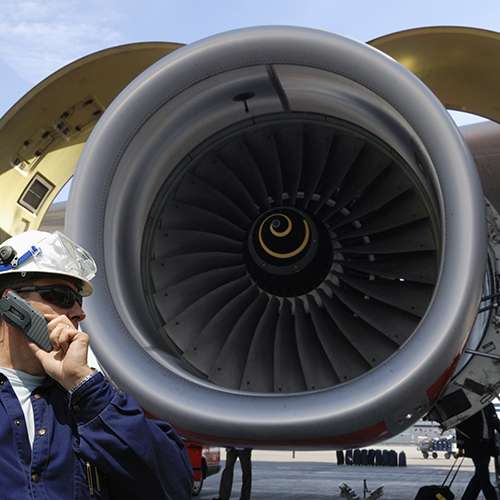
From hydraulic systems to fuel, lubrication, and air systems, our aerospace filters are designed to protect vital components and extend system life. Whether you're outfitting a commercial airliner or a next-generation fighter jet, Pall’s filtration technology ensures optimal performance and contamination control. Discover more below.



Why Choose Pall Aerospace Filtration?
Since 1946, Pall Aerospace has led the way in filtration and separation technology. With over 70 years of expertise, we deliver robust, integrated solutions for commercial and defense sectors worldwide. Our global team across 30 countries provides unmatched support, backed by advanced capabilities in fatigue testing, CFD, and compliance. We’re committed to innovation, safety, and sustainability—meeting today’s challenges and anticipating tomorrow’s needs.
- Proven Performance: Trusted by OEMs and defense contractors worldwide.
- Custom Engineering: Tailored aerospace filtration systems for unique mission profiles.
- Global Support: Comprehensive service and support across the aerospace lifecycle.