



Lithium from brine is produced by extracting dissolved lithium from naturally occurring saline water sources and converting it into battery grade materials. This process involves separating lithium from other dissolved minerals and controlling impurities at each stage. Filtration and separation technologies support operation, protect downstream systems and help maintain lithium quality for lithium-ion battery production.
What is lithium brine and where is it found?
Lithium brine is a naturally occurring saline solution containing dissolved lithium and other minerals such as sodium, calcium and magnesium. It is typically found in underground reservoirs, geothermal systems and salt flats.
The composition of lithium brine varies depending on the source, which affects how the material is processed and purified.
What are the main methods of lithium extraction from brine?
Solar evaporation
Solar evaporation uses large ponds to concentrate lithium through natural evaporation. As water evaporates, lithium concentration increases before further processing. This method requires large land areas and extended processing time and depends on climate conditions.
Direct lithium extraction from brine
Direct lithium extraction uses filtration and separation processes to remove lithium from brine.
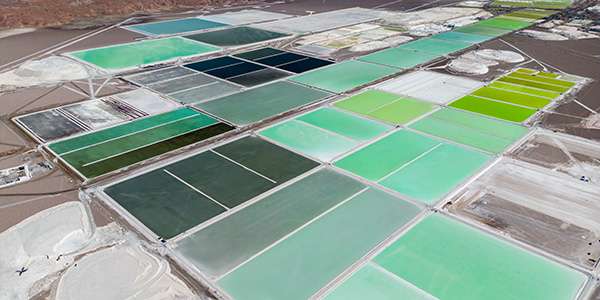
Lithium brine evaporation ponds used to concentrate lithium through solar evaporation
How is lithium extracted from brine?
Lithium extraction from brine involves a sequence of separation and purification stages. Each stage shown below represents a group of process steps, as outlined in the process flow diagram.

Process flow diagram showing stages in lithium extraction from brine, including filtration, separation and final purification steps
Step 1: Brine extraction and pre treatment
Brine is pumped from underground sources and filtered to remove suspended solids.
Step 2: Pre concentration
Lithium brine is concentrated before further separation.
Step 3: Lithium separation
Selective processes isolate lithium from other ions present in the brine.
Step 4: Impurity removal
Filtration systems remove unwanted minerals that affect downstream processing. This stage may include multiple filtration or separation steps to control impurities.
Step 5: Conversion
Lithium is converted into compounds such as lithium carbonate or lithium hydroxide.
Step 6: Final purification
Final processing ensures the lithium compound meets required purity levels
For a detailed overview of filtration across lithium extraction stages, download the lithium brine processing application note.
What makes lithium extraction from brine complex?
Lithium brine processing includes several technical challenges that affect consistency and control.
- Variation in brine composition across different sources
- Presence of dissolved minerals that must be removed during processing
- Sensitivity of downstream systems to contamination
- Requirement for high purity in battery grade materials
These factors require controlled separation and impurity management throughout the process.
What role does filtration play in lithium extraction from brine?
Filtration is used to control solids and impurities across each stage of lithium processing.
Filtration is used to:
- Remove suspended solids from raw brine
- Protect membranes and separation systems
- Control impurity levels during processing
- Support operation across process stages
How is filtration applied across the lithium extraction process?
Filtration is applied at multiple stages to support separation and product quality
In early stages, filtration removes solids from raw brine and protects membrane systems. During separation, filtration controls the presence of unwanted minerals. In later stages, filtration supports final purification and product finishing.
Each stage uses appropriate filtration across separation steps.
What is the difference between lithium from brine and hard rock sources?
Lithium from brine is extracted from liquid sources, while hard rock lithium is mined as solid ore.
Brine processing focuses on separation from dissolved minerals, while hard rock processing requires crushing and conversion before chemical processing.
What is lithium from brine used for?
Lithium from brine is used to produce materials for lithium-ion batteries used in:
- Electric vehicles
- Energy storage systems
- Consumer electronics
Why is process control important in lithium extraction?
Lithium extraction from brine requires consistent control of separation and purification steps. Filtration is used to support operation and protect downstream systems from contamination.
Speak with a lithium processing specialist
Contact a filtration specialist to discuss filtration and separation approaches for lithium brine processing
Frequently Asked Questions
What is lithium from brine?
Lithium from brine is lithium extracted from saline water sources containing dissolved minerals.
How is lithium extracted from brine?
Lithium is separated from brine using evaporation or direct extraction processes followed by purification and conversion.
What is direct lithium extraction?
Direct lithium extraction removes lithium from brine using separation processes.
What makes lithium brine processing complex?
Lithium brine contains dissolved minerals that must be separated while maintaining consistent process conditions.
For more information on improving the efficiency of your processes, contact our team of filtration experts.