



Plastic Pyrolysis and Filtration Systems for Sustainable Recycling
What is the Pyrolysis of Plastics?
Plastic pyrolysis is an advanced recycling method that converts mixed and low value plastic waste into useful products such as pyrolysis oil. The process helps reduce landfill volumes and supports circular recycling by turning discarded plastics into resources that can re enter industrial production. Filtration is important in this process because it helps remove contaminants and supports the production of cleaner and more consistent pyrolysis oil for downstream upgrading.
Pall’s advanced filtration systems for plastic pyrolysis ensure high-quality output, reduce contamination, and support decarbonization goals across the plastics industry. These solutions are part of our broader commitment to helping industries decarbonize their operations.
How Plastic Pyrolysis Works
Plastic pyrolysis breaks down plastic waste at high temperatures in an oxygen free environment to produce pyrolysis oil gas and char. The process can handle mixed or contaminated waste streams which makes it suitable for plastics that are difficult to recycle by mechanical methods. The resulting pyrolysis oil can be refined for chemical production or used as a feedstock for advanced recycling.
Advantages of Plastic Pyrolysis
Plastic pyrolysis provides a way to process a wide range of plastic waste types and helps reduce the volume of material sent to landfill. It supports circular economy goals by producing an oil that can be upgraded and reused in established value chains. The process also offers flexibility for handling plastics that cannot be recycled through conventional methods.
Why Filtration Is Beneficial in the Pyrolysis Process
Filtration helps remove solids and impurities that remain in pyrolysis oil after thermal breakdown of plastic waste. These contaminants can affect the quality of the oil and create challenges in downstream equipment. Effective filtration helps improve clarity supports more stable operation and prepares the oil for upgrading. Cleaner pyrolysis oil helps reinforce reliability and consistency across recycling operations.

The pyrolysis process includes feed preparation thermal breakdown condensation solids removal and final upgrading. Filtration is used after condensation to remove fine particles and help prepare the oil for further processing.
Achieving High Quality Pyrolysis Oil With Pall Filtration Solutions
Pall filtration solutions help improve the clarity of pyrolysis oil by removing fine particles and reducing contamination. Cleaner oil supports better performance in upgrading steps and helps maintain consistent output quality. The improvement in oil appearance after filtration reflects the value of using reliable systems in plastic waste recycling.
Speak With a Filtration Expert
If you would like help selecting the right filtration solution for your plastics recycling process, use the form on this page to speak with a Pall expert.
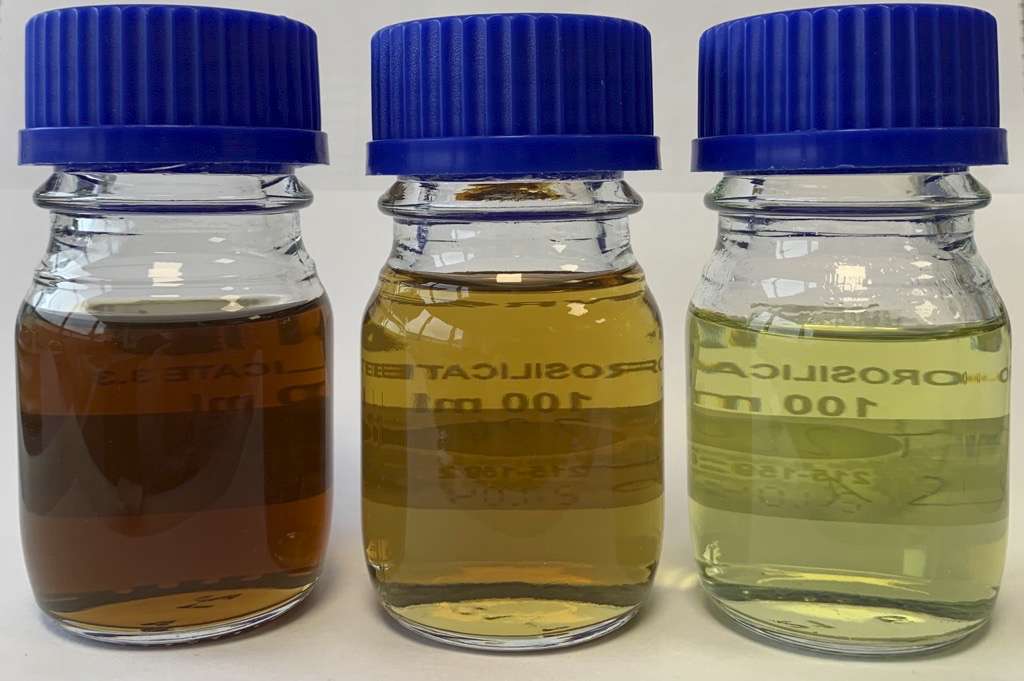
Results of filtering pyrolysis oil
FAQs
What is plastic pyrolysis
Plastic pyrolysis is a thermal process that converts plastic waste into pyrolysis oil gas and char using high temperatures in an oxygen free environment.
What are the benefits of plastic pyrolysis
Pyrolysis helps reduce landfill waste supports circular recycling and produces an oil that can be upgraded and used in new applications.
What types of plastics can be used in pyrolysis
Many mixed contaminated or difficult to recycle plastics can be processed through pyrolysis which gives operators flexibility for waste streams.
Is plastic pyrolysis environmentally friendly
The process can support sustainability goals when managed with proper emissions control and when combined with effective solids and contamination removal.
Speak to our filtration experts to find out how our solutions can support solving your pyrolysis production challenges.
