



Specialty Chemicals Filtration at a Glance
Specialty chemicals serve added value markets and applications with higher quality specifications compared to bulk or intermediate chemicals. Therefore, specialty chemical producers work in environments, where product consistency and quality, operational stability and efficiency directly affect value. Filtration and separation play a key role in keeping the specifications, protecting quality and maintaining reliable performance across production steps. Pall provides solutions that help plants control contaminants, support stable operation and meet tight specifications in a wide range of specialty chemical applications, especially if these chemicals are delivered as feedstock to industries such as food, life sciences, electronics, cosmetics and others.
What is driving the growing demand for specialty chemicals?
Specialty chemicals support many industrial and consumer markets where performance and consistency matter. These products are used in polymers, surfactants, coatings, additives, silicone materials and other chemical intermediates that must meet defined standards for appearance and functionality. As production volumes increase, the need to maintain quality and protect equipment strengthens the role of filtration.

Why Quality Control and Process Stability Depend on Effective Filtration
Effective filtration helps manage solids and liquid contaminants that can disrupt reactions, cause product variability or foul equipment. Pall’s depth, surface and coalescing media support stable product properties, consistent feed purity and smoother unit operation.
By retaining contaminants and protecting key assets such as reactors, catalyst beds, pumps and heat exchangers, filtration helps minimise fouling, reduce pressure fluctuations, extend run lengths and limit unplanned downtime. Cleaner, more consistent streams help production and operations teams maintain predictable, on spec performance across the plant.
Specialty Chemicals Manufacturing and Filtration Process Flow

End‑to‑end process flow illustrating feed preparation, chemical synthesis, bulk storage and final filtration steps for industrial‑grade and specialty high‑purity chemicals.
How can filtration support silicone production?
Silicone manufacturing often produces solids, reaction residues or liquid carryover that can affect clarity and process performance. Effective filtration helps plants:
- Remove particles and gels that influence product consistency
- Protect equipment from fouling
- Maintain stable flow conditions
- Improve cleanliness in intermediate and final stages
This supports operations managers and engineers who aim to maintain efficient, predictable production.
Proof of Performance


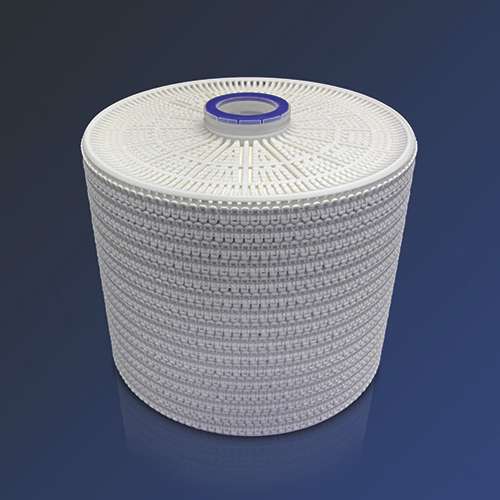
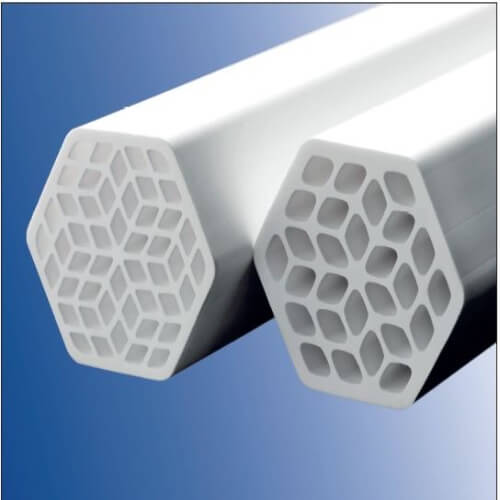
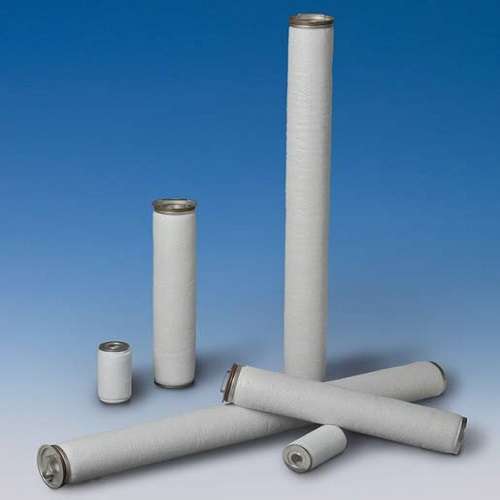
Filtration Technologies and Solutions for Specialty Chemical Processes




Frequently Asked Questions
How can improved filtration reduce operational cost?
Filtration can help reduce maintenance time through fewer changeouts, lower solids loading, more consistent unit performance and reduced waste or rework. Cleaner utilities also help protect assets and limit wear, supporting more efficient operation.
How can plants evaluate filtration performance and identify improvement opportunities?
Plants often review pressure drop behaviour, changeout frequency, product stability, signs of fouling or carryover, and waste generated during cleaning. These indicators help identify opportunities to stabilise operations and improve uptime.
Where can you find related solutions?
Pall filtration and separation technologies support specialty chemicals, polymers, petrochemicals and process water treatment, helping maintain cleaner streams and more predictable performance across production steps.
What are the benefits of optimized filtration in specialty chemical operations?
Optimized filtration can support cleaner streams, more stable pressure performance, reduced fouling, better equipment protection, smoother commissioning, and lower total cost in use through fewer changeouts and reduced waste handling.
Contact our team
For support selecting filtration solutions for specialty chemical applications, speak with a Pall specialist. Our team can help evaluate process needs and recommend systems that support quality, reliability and efficiency.
For more information on improving the efficiency of your processes, contact our team of filtration experts.