





Food and beverage manufacturers rely on effective filtration solutions to help protect product quality, ensure safety and support efficient production across a wide range of processing environments. Pall provides filtration solutions for food and beverage applications spanning water, ingredients, process utilities and finished products, helping manufacturers address contamination risks and operational challenges throughout their operations.


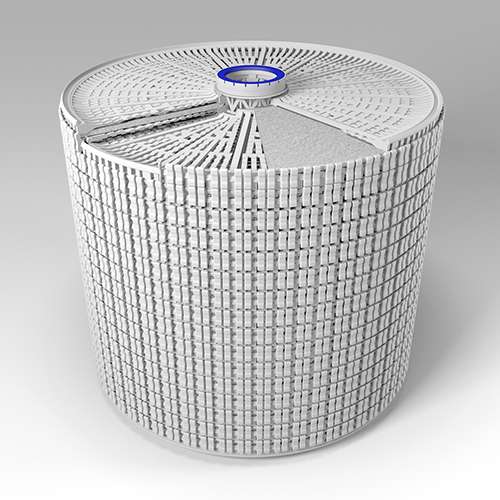

Explore Food and Beverage Filtration Resources and Expert Support
Get the insights, tools, and technical support you need to improve product quality, ensure compliance, and optimize your food and beverage processes.
Understanding Food and Beverage Filtration
What is food and beverage filtration?
Food and beverage filtration involves removing unwanted particles, microorganisms and other contaminants from liquids, gases or process streams used during food and beverage manufacturing.
Why is filtration important in food and beverage manufacturing?
Filtration supports product quality objectives, helps manage contamination risks and contributes to consistent and efficient manufacturing processes across food and beverage operations.
What types of filtration are used in food and beverage processing?
Depending on the application, food and beverage manufacturers may use liquid filtration, gas and air filtration, water purification and culinary steam filtration.
Our Mission: Advancing Food & Beverage Filtration Worldwide
Pall supports food and beverage manufacturers around the world by developing filtration technologies designed to address diverse processing challenges. Through ongoing innovation and collaboration, Pall helps manufacturers improve processes across food and beverage applications, from raw materials through final product production.
